

The Ultimate Guide to Bone Broth: Heal Your Gut & Boost Immunity
Bone broth has been cherished for centuries across cultures as a deeply nourishing food — and modern science is finally catching up to what our ancestors already knew.
Bone broth has been cherished for centuries across cultures as a deeply nourishing food — and modern science is finally catching up to what our ancestors already knew. Simmered low and slow from animal bones, cartilage, and connective tissue, this ancient elixir is rich in collagen, gelatin, amino acids, and essential minerals that support virtually every system in your body.
Whether you're struggling with digestive issues, joint pain, sluggish immunity, or simply looking to add more depth and nutrition to your daily routine, bone broth may be one of the most powerful and affordable wellness tools available to you.
In this guide, we'll break down exactly what bone broth is, why it works, how to make it properly at home, and how to incorporate it into your daily wellness practice for lasting results.
Why Bone Broth Is a Wellness Powerhouse
-
Rich in collagen and gelatin that repair the gut lining and reduce intestinal permeability (leaky gut).
-
Packed with glycine and proline — amino acids that support liver detoxification and reduce inflammation.
-
High in bioavailable minerals like calcium, magnesium, phosphorus, and potassium that are easily absorbed by the body.
-
Contains chondroitin and glucosamine, natural compounds that lubricate joints and reduce arthritis-related discomfort.
Bone broth is not a trend — it is ancient food wisdom that has stood the test of time. When you sip a cup of well-made broth, you are giving your body exactly what it needs to repair, rebuild, and thrive.
— Dr. Sarah Jensen, Functional Nutritionist
To make a truly therapeutic bone broth at home, quality matters above everything else. Start with bones from pasture-raised animals — beef knuckles and marrow bones for richness, or chicken feet and carcasses for a lighter, gelatin-forward broth. The key is long, slow cooking: a minimum of 12 hours for chicken and up to 48 hours for beef, at a very low simmer. Adding a splash of apple cider vinegar to the cold water before heating helps draw out minerals from the bones.
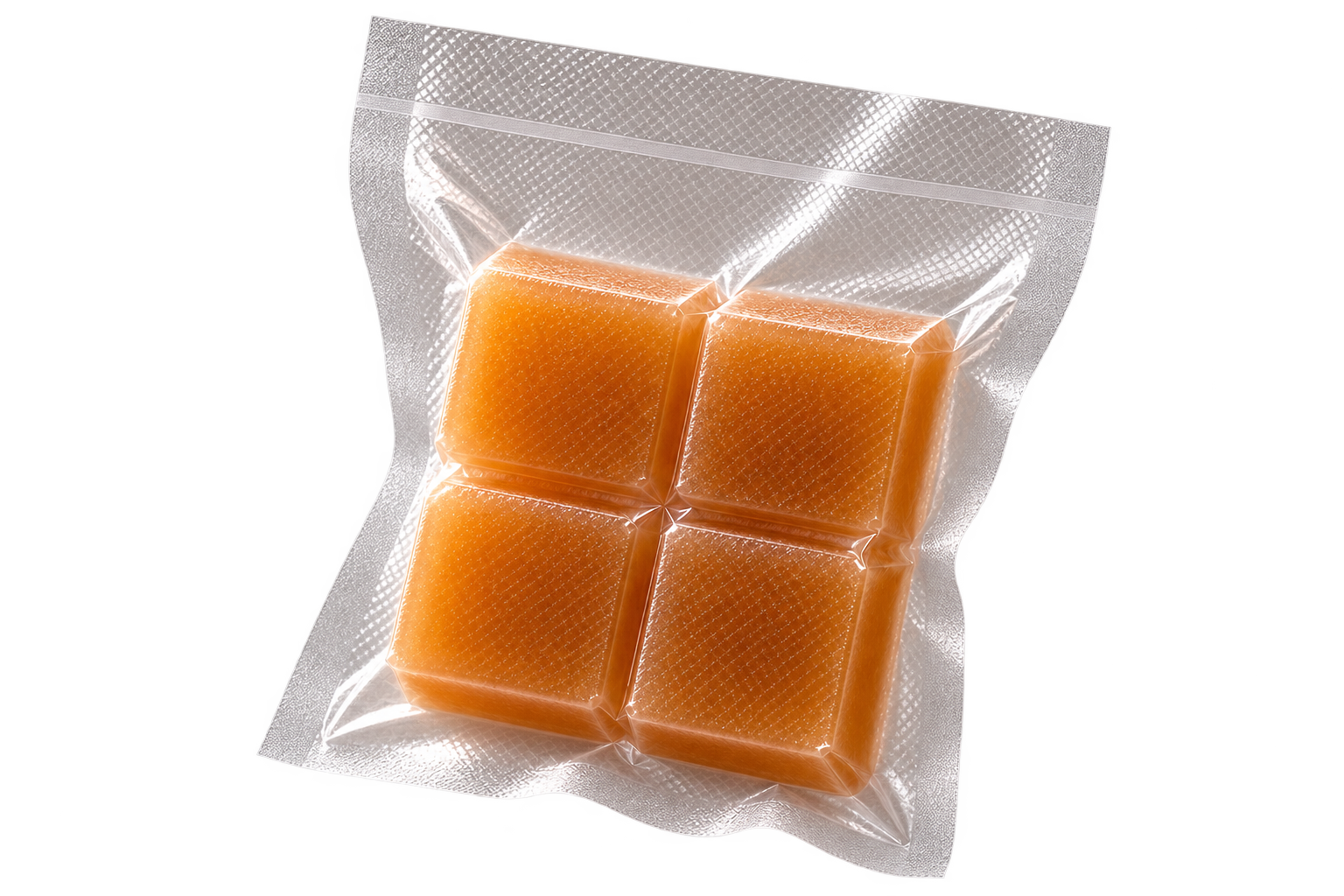
Aromatic vegetables like onion, carrot, celery, garlic, and fresh herbs add flavor and additional phytonutrients. Avoid boiling at a rolling boil — this will make your broth cloudy and may degrade some of the more delicate nutrients. A proper bone broth will gel when refrigerated, which is a sign that it's rich in gelatin and exactly what your body needs.
Incorporating bone broth into your daily routine doesn't have to be complicated. The simplest approach is to sip a warm mug first thing in the morning on an empty stomach, allowing the gut-healing nutrients to absorb more efficiently. You can also use it as the base for soups, stews, sauces, and grains — replacing water or store-bought stock with broth adds tremendous nutritional depth to every meal.
For those managing chronic inflammation, autoimmune conditions, or recovering from illness or surgery, bone broth can be a gentle but powerful complement to your protocol. Start with one cup per day and build up as tolerated. Many people notice improvements in digestion, skin quality, sleep, and energy within two to four weeks of consistent daily use.
Popular Tags :
